Our Watershed
Our watershed is a unique and complex area and you have a special role to ensure its health for years to come.
Our Waters / Imagine A Day Without Water
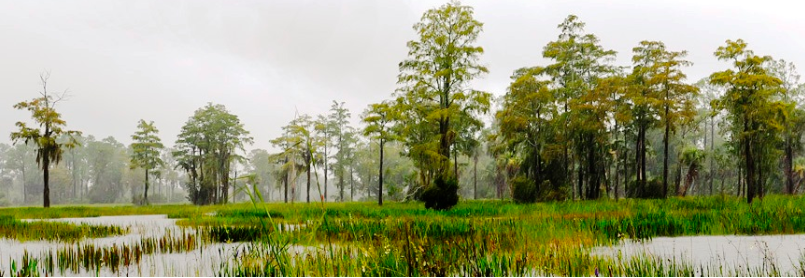
NOAA defines a watershed as a land area that channels rainfall to outflow points. When it rains in West Palm Beach, a few different things happen to the rainfall. In the western regions of the city around the Grassy Waters Preserve, rainfall collects in the wetlands, which absorb water like a sponge. The Grassy Waters Preserve is a 23-square-mile wetland ecosystem and the City's primary source of drinking water. When you turn on the tap, you get water from the Preserve conveyed downtown to our water treatment plant, which is treated and distributed to our customers. Rainfall in the City's developed areas collects in ponds and flows from waterproof, or water-resistant, surfaces into storm drains and inlets, eventually making its way into the City's stormwater system. The City's municipal separate storm sewer system helps provide flood control by collecting and conveying water from rain events in a series of canals and lakes. Everyone living in our watershed impacts its health.
Protect our Watershed by Saving Water
When you use tap water, you contribute to the demand on our local water source, the Grassy Waters Preserve. The city carefully manages this natural resource to balance the ecosystem's needs while ensuring our water supply. Reducing your water consumption can reduce the burden on this precious resource, protect our watershed, and save you money! Check out the Office of Sustainability's Water Conservation Programs to learn how to save water! Learn more about the primary source of our water, the Grassy Waters Preserve. Watch "Grassy Waters Preserve: A Link to Our Past, Protecting Our Future."
Prevent Pollution from entering Our Watershed
Discharging pollutants and debris into the stormwater system can directly impact local environmental and public health. There are many ways pollutants can enter a watershed and make their way to local bodies of water. Chemicals used for fertilizer, improperly disposed yard trimmings, and roadside litter can potentially enter the stormwater system and become pollution. It's essential to know how your actions impact the local environment. Check out stormwaterandme.org to learn how you can help keep pollution out of our waters!