WPB and FAMU Partnership
Great things are growing in your Community Garden!


Background
The City of West Palm Beach and Florida A &M University has established a new partnership through its Cooperative Extension Program to provide educational programs and activities to City of West Palm Beach residents, including:
-
4H Development Programs
-
Family consumer science nutrition, financial literacy, senior living & aging, emergency preparedness & safety
-
Community Gardening
In addition to programs, FAMU will be overseeing three community gardens that will serve residents in our north and south communities.
In the News
FAMU Extension Cultivates Urban Sustainability
The City of West Palm Beach, in partnership with the Florida A&M University (FAMU) Cooperative Extension, worked to establish community gardens in the Pleasant City and Coleman Park neighborhoods. Today, we continue to strengthen and support these gardens, fostering local food access and community engagement.
We’re proud to share that the FAMU Extension Urban Agriculture Program was recently featured in The 1890 Voice: Where Innovation Drives Impact—the 2026 1890 Land-Grant Universities Impact Report. This recognition highlights our joint efforts to promote urban sustainability and resilience.
Read the article: FAMU Extension Cultivates Urban Sustainability Article
Download and read the full 2026 1890 Land-Grant Universities Impact Report here.
Events
Backyard Composting Workshop
Discover the power of composting!
Join us for a free workshop to learn how to turn your yard and kitchen scraps into nutrient-rich compost that benefits your garden and the environment. Composting is a natural process that transforms organic materials, like leaves, grass clippings, and food scraps, into a valuable soil amendment that helps your plants thrive. At the end of the workshop, take home a FREE 43-gallon backyard compost tumbler!
FREE ENTRY! Registration is required. (Limit of one per household. Available to City of West Palm Beach residents only.)
Register here!
Where: Coleman Park Community Center, 1116 21st Street, West Palm Beach, FL 33407
When: November 14, 2026
Time: 9-11 a.m.
Contact: (561) 822-2148 or email: kwpbb@wpb.org
Garden Days
Community members are invited to participate in upcoming fall garden activities at the Coleman Park and Pleasant City community gardens. Garden sessions will be held from September through December and provide an opportunity to learn, lend a hand, connect with neighbors, and help keep our community gardens thriving.
Fall Community Garden Schedule
Coleman Park Community Garden | 1116 21st Street, West Palm Beach, FL 33407
Tuesdays, 9–11 a.m.
-
September 15 and 29
-
October 6 and 20
-
November 3 and 17
-
December 8
Pleasant City Community Garden | 2147 Spruce Ave, West Palm Beach, FL 33407
Thursdays, 2–4 p.m.
-
September 17 and 24
-
October 15 and 22
-
November 5 and 19
-
December 3
Saturday Garden Schedule
9–11 a.m.
Walking Club
WPB Walking Club meets on the 3rd Saturday of each month
Our first Walking Club meet‑up was a wonderful success, and we’re excited to keep the momentum going! A heartfelt thank‑you to GirlTrek of South Florida for joining us and helping make the morning extra special.
Members gathered bright and early for a light stretching routine, and then we enjoyed a refreshing walk along the beautiful Clear Lake Trail — complete with the City’s skyline as our backdrop. It was a great reminder of how much natural beauty is right here in our backyard.
The purpose of the Walking Club is simple: to bring our community together, encourage healthy movement, and explore the many trails around the City of West Palm Beach that often go unnoticed.
Whether you’re looking to get active, meet new neighbors, or discover new outdoor spaces, we’d love to have you join us for our next walk. All ages and experience levels are welcome — just bring your energy and a love for the outdoors!
Walking is a highly effective, low-impact exercise that improves cardiovascular health, aids weight management, boosts mental health, and strengthens muscles and bones. Just 30 minutes of daily, brisk walking can reduce the risk of chronic diseases like diabetes and heart disease, improve sleep, and enhance cognitive function.
Also, walking encompasses three of the four key components of healthy living:
-
Connectedness
-
Stress Management
-
Exercise
-
Nutrition
Stay tuned for information on our next Walking Club location!
FAMU Events
Eating Smart & Being Active
Nutrition Recipes
Black Bean Soup
Ingredients:
-
1 lb. (about 2 cups) dried black beans, soaked overnight and drained
-
6 cups of low-sodium vegetable broth (or water)
-
1 tablespoon olive oil
-
1 medium onion, chopped
-
3 cloves garlic, minced
-
1 medium carrot, diced
-
1 celery stalk, diced
-
1 bell pepper (any color), diced
-
1 teaspoon ground cumin
-
1 teaspoon paprika
-
1/2 teaspoon dried oregano
-
1 bay leaf
-
1 cup diced tomatoes (canned or fresh)
-
1 cup chopped fresh cilantro (optional)
-
Juice of 1 lime
-
Freshly ground black pepper to taste
Instructions:
-
Soak the dried black beans in plenty of water overnight. Drain and rinse the beans before using. You can also use canned here instead if you’re short on time.
-
In a large pot, heat the olive oil over medium heat. Add the chopped onion, garlic, carrot, celery, and bell pepper. Sauté until the vegetables are softened, about 5-7 minutes.
-
Stir in the cumin, paprika, oregano, and bay leaf. Cook for another 1-2 minutes until fragrant.
-
Add the soaked (if using canned, wait to add beans and see step 5) black beans, vegetable broth (or water), and diced tomatoes to the pot. Bring to a boil.
-
Reduce the heat to low and let the soup simmer, uncovered, for about 1.5 to 2 hours, or until the beans are tender. Stir occasionally and check the soup for seasoning. *If using canned beans, cook tomatoes in vegetable broth first for 30 minutes first, then add canned beans and cook for another 20 minutes.
-
Once the beans are tender, remove the bay leaf. For a smoother texture, use an immersion blender to partially blend the soup, leaving some beans whole. Stir in the lime juice and cilantro (if using). Season with freshly ground black pepper to taste.
Nutrition:
White Chocolate Blueberry Oatmeal Cookies
Ingredients
-
1 ¼ cups all-purpose flour
-
¾ cup old fashioned oats
-
½ teaspoon cinnamon
-
½ teaspoon baking powder
-
⅛ teaspoon baking soda
-
⅛ teaspoon salt
-
½ cup 1 stick unsalted butter, softened
-
⅔ cup sugar
-
¼ cup brown sugar
-
1 teaspoon vanilla extract
-
1 large egg
-
½ cup white chocolate chips
-
½ cup blueberries
Instructions
Preheat oven to 350 degrees F. Line a baking sheet with parchment paper or a silicone baking mat; set aside.
In a medium bowl, combine flour, oats, cinnamon, baking powder, baking soda and salt.
In the bowl of an electric mixer fitted with the paddle attachment, beat butter and sugars on medium-high until light and fluffy, about 2-3 minutes. Beat in vanilla and egg until well combined. Gradually add flour mixture to sugar mixture at low speed, beating just until incorporated.
Gently fold in chocolate chips and blueberries.
Drop tablespoons of batter onto prepared baking sheet and press down lightly to flatten.
Place into oven and bake until edges are golden brown but center is still moist, about 7-8 minutes.
Remove from oven and cool on a wire rack.
Kale Chips
While there is currently no cure for macular degeneration, a healthy diet may help slow the progression of the disease or reduce your risk of developing it. Kale is rich in lutein and zeaxanthin, nutrients that support eye health, making it a great addition to your shopping list. These crispy kale chips are a delicious alternative to less eye-healthy snacks.
Servings: 4
Calories: 100 kcal
Ingredients
Instructions
-
Preheat the oven to 325°F. Wash and dry the kale and tear it into large pieces.
-
Place the dried kale in a bowl and toss to coat with oil. Spread it out on a baking sheet lined with parchment. Bake until crispy but not burnt, 20 to 25 minutes.
-
To make the seasoning, combine the remaining ingredients in a small bowl. Sprinkle the seasoning over the kale chips and serve.
Nutrition
DIY Electrolyte Refresher: Orange + Mango
Ingredients
-
½ cup mango
-
1 orange, peeled and chopped
-
1.5 cups of coconut water
-
½ teaspoons honey or maple syrup
-
½ cup pineapple juice (sub with extra coconut water)
-
1 tablespoon lime juice
-
⅛-1/4 teaspoon salt
Instructions
Blend all ingredients for about 30 seconds until smooth. Strain over ice and garnish if you wish.
West African Inspired Peanut Stew

Prep: 15 min
Cook: 1h 15 min
Total: 1h 30 min
Ingredients for 6 Servings
-
3 tbsp olive oil
-
1 ½ lbs. thick-cut whole skinless chicken breasts
-
1 medium yellow onion, chopped
-
1 thumb-piece ginger, peeled and minced
-
5 cloves garlic, minced
-
2-3 medium sweet potatoes (4 cups worth), peeled and cut into ½-inch cubes
-
2 teaspoons of smoked paprika
-
2 teaspoons coriander
-
1/2 teaspoon cayenne pepper
-
3/4 cup natural peanut butter
-
1 can (14.5 oz can) (fire roasted) canned diced tomatoes
-
6 – 8 cups low-sodium chicken broth (begin with 6 cups and add more as needed throughout cooking)
-
2 bay leaves
-
1 bunch kale or chard, ribs removed and coarsely chopped or torn
-
1 large handful fresh cilantro + more for serving, finely chopped
-
Juice of 1 lemon
-
Salt & pepper to taste
-
1/3 cup (5 tablespoons) roasted peanuts, finely chopped
Steps
Step 1
Pat the chicken breasts dry and season with salt & pepper.
Step 2
Place a large Dutch oven pot on medium heat and add in half of the oil and the chicken breast. Brown the chicken breasts on both sides, about 2-3 minutes per side, and then remove and set aside.
Step 3
Add in the remaining oil, onions, ginger, and garlic and sauté until translucent, or about 4-5 minutes.
Step 4
Next, add in the sweet potatoes and seasonings cook for another 2-3 minutes.
Step 5
Add peanut butter, tomatoes, chicken broth, chicken breasts and bay leaves in the peanuts.
Step 6
Cook until the chicken is fork tender, or about one hour, and then remove and shred using two forks.
Once it reaches a boil, reduce to a simmer and cover with a lid.
Step 7
Add the chicken, along with the kale, back into the pot, and cook for another 10-15 minutes. If the stew becomes too thick, add a splash of water or leftover broth.
Step 8
Adjust for seasoning and stir in the cilantro and lemon juice. Serve up with more cilantro and peanuts and enjoy!
Green Tea Mojito Mocktail
The 100% fruit juice naturally sweetens our nonalcoholic drink rather than sugary syrup or other added sugar that’s in restaurant-style mojitos. Traditional ingredients lime and mint complement green tea, which is the unexpected twist.
Ingredients
Servings 4 Serving Size 1 1/2 cups per serving
Directions
Cooking Tip: To get more juice from citrus, before slicing, microwave the fruit on 100% power (high) for 30 seconds, or until warm. When cool enough to
handle, use a citrus reamer or handheld juice press to juice the citrus.
-
4 cups of water
-
4 single-serving bags of green tea
-
32 to 40 sprigs of fresh mint and 4 sprigs of fresh mint, divided use
-
2 cups of ice cubes
-
1 cup 100% white grape juice
-
1/2 cup fresh lime juice (about 4 medium limes)
-
1 medium lime, cut into 4 wedges or lime zest twists (optional)
Add the water to a small saucepan. Bring the water to a boil over high heat. Remove the pan from the heat. Add the tea bags. Let steep for 4 minutes. (Be sure the
tea bags are submerged.) Discard the tea bags. Let the tea mixture cool for 30 minutes. Pour into a water pitcher. Refrigerate for 2 hours, or until chilled.
At serving time, add the mint leaves to four glasses. Using a muddler or wooden spoon, mash the mint leaves several times to release their juices. (Don’t mash into
pulp.) Add the ice.
Stir the white grape juice and lime juice into the tea mixture. Pour into the glasses. Garnish each with a lime wedge and remaining mint leaf.
Peach Mango Italian Ice with Vanilla Frozen Yogurt
Recipe and image courtesy of American Heart Association
No special ice cream machine is needed for this no-sugar-added frozen treat. Flavored no-calorie sweeteners and naturally sweet tropical fruits make it easy to enjoy this healthy dessert.
Servings: 8 Serving Size: ¼ cup Italian ice and ¼ cup frozen yogurt
Italian Ice Ingredients
-
1 cup diced fresh or frozen (no-sugar-added) mango
-
1 cup diced fresh or frozen (no-sugar-added) peaches
-
½ teaspoon stevia sweetener (Organic or Natural) or 1 packet stevia sweetener (Organic or Natural)
-
2 squeezes peach mango-flavored stevia water enhancer
-
1/2 cup of water
-
1 teaspoon fresh lemon juice
Frozen Yogurt Ingredients
-
1 cup fat-free plain Greek yogurt
-
2 small bananas (10 ounces), sliced
-
1 tablespoon fresh lemon juice
-
1 teaspoon stevia sweetener (Organic or Natural) or 2 packets stevia sweetener (Organic or Natural)
-
5 drops vanilla cream-flavored stevia sweetener
Topping Ingredients
-
1 medium peach, peeled and sliced into 8 slices
-
1 medium mango, peeled and sliced into 8 slices
-
8 fresh mint sprigs
Directions
In a food processor, process the Italian ice ingredients for 30 to 40 seconds, or until smooth. Pour the mixture into a medium bowl. Freeze, covered with plastic wrap, for 2 hours. Using a fork, scrape all the ice to create an icy-granular texture. Recover with plastic wrap. Re-freeze for 1 to 1 1/2 hours. Rinse the food processor.
In the food processor, process the frozen yogurt ingredients for 30 to 40 seconds, or until smooth. Pour the mixture into a medium bowl. Freeze, covered with plastic wrap, for at least 2 hours.
To serve, scoop ¼ cup of the frozen yogurt into 8 small bowls. (If the yogurt is frozen for 4 hours or more, it may be too hard to scoop. If it is, let the yogurt sit at room temperature for 10 to 15 minutes before scooping into bowls.)
Using a fork, scrape the Italian ice to create an icy-granular texture. (If the Italian ice is frozen for more than 2½ hours, it may be too hard to scrape. If it is, let the ice sit at room temperature for 10 to 15 minutes before scraping with a fork.) Scoop ¼ cup of the Italian ice on top of each scoop of yogurt.
Garnish each bowl with a peach slice, mango slice, and mint sprig.
Caribbean Sorrel (Hibiscus) Tea
Yield: 4 cups
Ingredients
-
2 cups of dried sorrel (hibiscus) flowers
-
1 cinnamon stick
-
3-4 slices of fresh ginger
-
4 cups of water
-
¼ cup honey or alternative sweetener (adjust to taste)
-
1 tbsp lime juice (optional)
-
Ice cubes (for serving)
Directions
Prep: 5 min, Cook: 45 min, Total: 50 min
-
Rinse the dried sorrel flowers under cold water to remove any dust or impurities.
-
Boil the water and add rinsed sorrel flowers, cinnamon stick, and ginger slices.
-
Reduce the heat to medium and let simmer for about 10-15 minutes.
-
Remove the pot from the heat and let it steep for additional 30 minutes to an hour.
-
Strain the mixture to remove the sorrel flowers, ginger slices, and cinnamon stick.
-
Stir the honey while the tea is still warm.
-
Add lime juice if desired.
-
Let the tea cool to room temperature. Serve over ice for a refreshing beverage.
Huevos Rancheros
A classic Mexican breakfast, traditional huevos rancheros (translated as “rancher’s eggs” or “country-style eggs”) are fried eggs served on hot corn tortillas and smothered in cooked salsa. When you cut into this healthier version, the yolks of the sunny-side-up eggs meld deliciously with the mild salsa, hearty beans, melted cheese, and creamy avocado.
Servings 4 Serving Size 1 egg, 1 tortilla, ¼ cup beans, 1/3 cup salsa plus toppings
Salsa Ingredients
-
1 teaspoon canola oil (or) 1 teaspoon corn oil
-
1/2 cup diced yellow onion (1 small)
-
1/2 cup diced poblano pepper (1 large), seeds and ribs discarded
-
1 small fresh jalapeño pepper (seeds and ribs discarded, minced)
-
1 1/2 teaspoons minced garlic
-
1 14.5-ounce can no-salt-added crushed tomatoes (fire-roasted preferred)
-
2 tablespoons of water
-
1/4 teaspoon salt
Huevos Rancheros Ingredients
-
4 large eggs
-
4 6-inch corn tortillas (warm)
-
1 15.5-ounce can no-salt-added black beans (rinsed, drained)
-
1/4 cup shredded low-fat 4-cheese Mexican blend
-
1 small avocado (quartered, sliced)
-
2 tablespoons chopped, fresh cilantro (optional)
-
1 medium lime (cut into 4 wedges, optional)
Directions
-
In a medium saucepan, heat 1 teaspoon oil over medium heat, swirling to coat the bottom. Cook the onion for 2 minutes, or until it is almost soft, stirring frequently. Cook the poblano and jalapeño peppers for 2 minutes, stirring frequently. Stir in the garlic. Cook for 1 minute. Stir in the tomatoes, water, and salt. Bring to a boil. Reduce the heat to low. Simmer for 5 minutes. Remove from the heat. Cover to keep warm.
-
In a medium nonstick skillet, heat the remaining 1 teaspoon oil over medium heat, swirling to coat the bottom. Cook the eggs for 3 to 4 minutes, or until the whites are set and the edges are fully cooked.
-
Place a tortilla on each plate. Top each tortilla with the beans and an egg. Being careful not to break the yolk, gently top each egg with the warm salsa, cheese, and avocado slices.
-
Sprinkle each serving with the cilantro. Serve with a lime wedge.
Maple-Roasted Sweet Potatoes
In this healthy side dish recipe, sweet potatoes are tossed with maple syrup, butter and lemon juice and roasted until tender and golden brown. The delicious glaze that forms on these maple-roasted sweet potatoes transforms this ultra-simple dish into something sublime.
Prep Time: 10 mins
Additional Time: 1 hr.
Total Time: 1 hr. 10 mins
Servings: 12
Yield: 12 servings, about 1/2 cup each
Nutrition Profile: Diabetes-Friendly Healthy Immunity Low-Sodium Low-Fat Heart-Healthy Vegetarian Gluten-Free Low-Calorie
Ingredients
-
2 ½ pounds sweet potatoes, peeled and cut into 1 ½-inch pieces
-
⅓ cup pure maple syrup
-
2 tablespoons of butter, melted
-
1 tablespoon lemon juice
-
½ teaspoon salt
Equipment
Directions
Step 1
Preheat oven to 400°F.
Freshly ground pepper, to taste
Step 2
Arrange sweet potatoes in an even layer in a 9-by-13-inch baking dish. Combine maple syrup, butter, lemon juice, salt and pepper in a small bowl. Pour the mixture over the sweet potatoes; toss to coat.
Step 3
Cover and bake the sweet potatoes for 15 minutes. Uncover, stir and cook, stirring again every 15 minutes, until tender and starting to brown, 45 to 50 minutes more.
Apple Cinnamon Crisp
Ingredients
-
Nonstick cooking spray
-
¼ cup packed brown sugar, divided
-
1 tablespoon all-purpose flour
-
¾ teaspoon ground cinnamon, divided
-
¼ cup water
-
4 apples, sliced
-
1 cup quick cooking oats
-
2 tablespoons of butter, melted
Directions
-
Heat oven to 350°F. Spray a baking dish with nonstick cooking spray. Set aside.
-
In a mixing bowl, combine ⅛ cup brown sugar with the flour and ½ teaspoon cinnamon. Add water and mix.
-
Add apple slices to flour mixture and stir to coat. Pour mixture into baking dish.
-
In a separate bowl, mix oats, and remaining brown sugar, butter and remaining cinnamon. Mix well until oats are evenly distributed. Sprinkle over fruit.
-
Bake 30-35 minutes or until fruit is tender.
Vegetarian Collard Greens Recipe
Makes: 6 servings (1 cup per serving)
Preparation Time: 15 minutes
Cooking Time: 45 minutes
Ingredients
-
1 tablespoon vegetable oil
-
1 tablespoon butter
-
½ onion, chopped
-
½ teaspoon red pepper flakes (increase to 1 teaspoon if
-
you like spicy food)
-
⅛ teaspoon garlic powder
-
1 pound collard greens, stems removed and chopped*
-
3 cups of broth (chicken or vegetable)
-
2 tomatoes, seeds removed and chopped**
-
Salt and black pepper to taste
Directions
-
Wash all vegetables, and remove seeds from the tomatoes.
-
Collect, chop, and measure all ingredients before starting to prepare the recipe.
-
Heat the oil and butter in a large pot over medium heat.
-
Add the onion and cook for about 2 minutes until slightly soft.
-
Add the red pepper flakes and garlic and cook for 1 minute. Add the chopped collard greens, and cook for another minute.
-
Add the broth, cover, and bring to a simmer. Cook for about 40 minutes until the greens are tender.
-
Add the tomatoes.
-
Taste and add a small amount of salt and black pepper if desired.
-
Refrigerate the leftovers within 2 hours. Eat within 3 to 5 days.
* Preparing collard greens: First, remove any damaged outer leaves. Fill a large bowl with cold water and dunk the greens. Swish them around for a few minutes to help loosen any dirt on the leaves. Pour out the dirty water and fill the bowl with clean water. Swish the leaves under the clean water again to remove any additional dirt. Continue this process until the water in the bowl remains clear. To cut collard greens, fold each leaf in half with the stem at the fold crease. Either cut or tear the stem off. Stack several leaves on top of each other and roll the leaves up. Cut the roll of leaves in 1-inch-thick pieces.
** Removing tomato seeds: Turn the tomato on its side so the stem faces to the right. Cut the tomato down the center and use a ¼ teaspoon to spoon out the seeds
Chicken and Broccoli Crustless Quiche

Ingredients
-
Nonstick cooking spray
-
1 cup low-fat cottage cheese
-
5 eggs
-
½ teaspoon garlic powder
-
⅛ teaspoon ground black pepper
-
3 boneless, skinless chicken thighs, cooked and shredded
-
10 ounces frozen chopped broccoli, thawed
-
½ cup onion, finely chopped
-
¼ cup carrots, shredded
-
¾ cup reduced-fat cheddar cheese, shredded
Directions
-
Heat oven to 350°F.
-
Spray a baking dish with nonstick cooking spray and set aside.
-
In a mixing bowl, combine cottage cheese, eggs, garlic powder, and black pepper.
-
In a baking dish, layer chicken, vegetables, and cheddar cheese. Pour egg mixture over the ingredients.
-
Bake for 30-40 minutes or until the top is browned and a knife inserted in the center comes out clean. Let stand 5 minutes before cutting.
Sweet Potato Fries
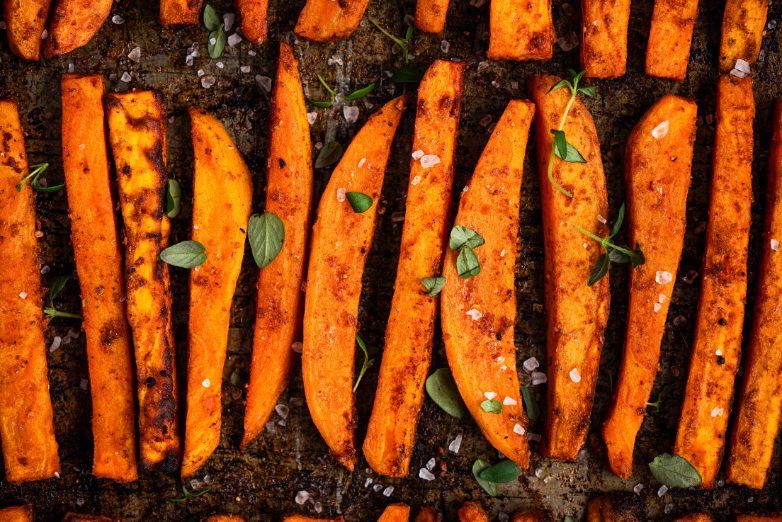
Makes: 6 servings (½ cup per serving)
Preparation Time: 10 minutes
Cooking Time: 25 minutes
Ingredients
-
3 large, sweet potatoes, peeled and cut into 2 inch long and ¼ inch thick pieces*
-
1 tablespoon vegetable oil
-
½ teaspoon paprika
-
½ teaspoon salt
-
¼ teaspoon black pepper
-
½ teaspoon garlic powder
Directions
-
Preheat the oven to 450°F.
-
Wash and peel the sweet potatoes.
-
Collect, cut, and measure all ingredients before starting to prepare the recipe.
-
In a large bowl, toss the sweet potatoes with the oil to coat.
-
Add the paprika, salt, pepper, and garlic powder, and mix to coat. Spread sweet potato fries in a single layer on a baking sheet, making sure they do not overlap.
-
Bake about 20 minutes, turning halfway through, until they are tender and golden brown.
-
Turn the oven to broil, and cook for another 3 to 5 minutes until potatoes reach desired crispness.
-
Allow to cool for 5 minutes before serving.
-
Refrigerate the leftovers within 2 hours.
-
Reheat the leftovers in a single layer at 350°F until hot. Eat within 3 to 5 days.
* Be sure the sweet potato pieces are about the same size (so they cook evenly) and very thin (so they get crispy when cooking).
Flavored Water
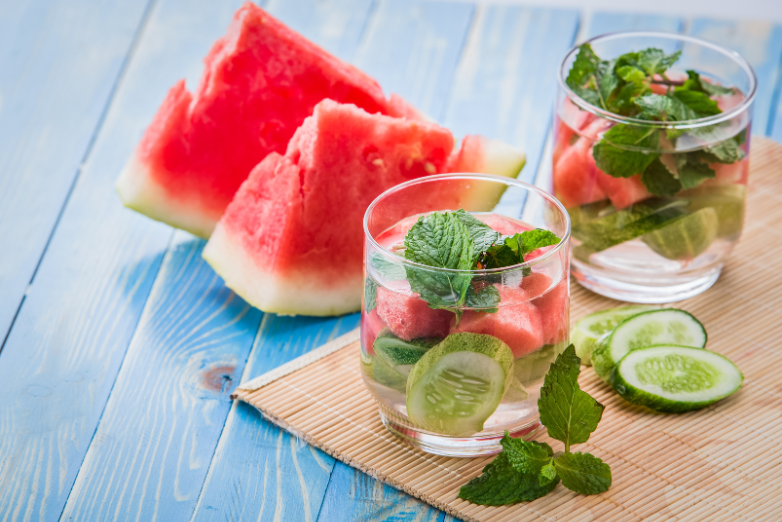
Makes: 2 quarts
Preparation Time: 5 minutes
Ingredients
Try these refreshing flavored combinations or create your own!
Watermelon Cucumber Lemon (or Lime)
Pineapple Grape Berry Kiwi (or Orange)
Directions
-
Wash all produce.
-
Collect, slice*, and measure all ingredients before starting to prepare the recipe.
-
Add all ingredients plus enough cold water to fill a 2-quart pitcher. Chill overnight in the refrigerator for the most flavor and store it in the refrigerator until ready to drink. The fruit will stay fresh in the water for up to 48 hours after being prepared.
-
After you drink the water, you can eat the fruit or blend it into a smoothie!
*Tips for releasing flavors of the produce:
Watermelon: Cut into small pieces (1 to 2 inches).
Citrus fruit (oranges, lemons, limes): Remove rinds, and slice them into thin pieces.
Cucumber: Slice into thin pieces.
Mint: Tear leaves.
Grapes: Slice in half.
Berries: Remove the top (strawberries only). Slice it into small pieces.
Kiwi: Remove peel, and slice into thin pieces
Lemongrass Tea Recipe

Ingredients: Lemongrass, ginger, lemons, water and honey or cane sugar
-
Lemongrass: is the main ingredient; you can use both the stalk and leaves for optimal flavor.
-
Ginger: is optional, but ginger tangy flavor pairs with lemongrass beautifully. Fresh ginger is recommended, but ground ginger will work as well.
-
Sweetener: I prefer raw honey; however, maple syrup and brown sugar also goes well. Be mindful of medical conditions that may affect your blood sugar. This tea can be made without sweetener as well.
-
Citrus: Lemon and lime add a zesty kick and a citrus boost. Use one or the other, not both.
How to Make Lemongrass Tea
-
Wash: Rine and remove any dry or tough outer layers for the lemongrass stalks and leaves.
-
Chop: Cut the stalk’s root end and upper part off, leaving the tender, pale yellow base and the green upper part. On a cutting board, chop the stalks into smaller pieces. Slice the ginger into smaller pieces as well.
-
Twist/ Fold the leaves to a length that will fit your pot. Twisting or folding releases more flavor from the lemongrass.
-
Boil water: Fill a pot of water based on how strong of a brew you want the tea and the number of cups you want to make. Bring water to a boil, and then add the chop lemongrass, along with sliced ginger into the pot.
-
Steep: After the pot has reached a rolling boil, reduce heat to medium-low and simmer for 5-10 mins.
-
Strain: Remove pot for stove and turn off heat. Carefully, pour the tea through a strainer, discarding lemongrass and ginger pieces.
-
Serve: The great thing with this tea. It can be served hot or cold based on your preference. Add a squeeze of lemon or lime juice or add lemon wedge or lime wedge as garnish. If serving hot you can drink right away sweeten to your taste. If serving cold let tea cool before refrigeration.
Mango and Papaya Fruit Salad

Serves 4 to 6
Ingredients
Instructions
-
Mix the lime zest, lime juice, and honey together in a medium bowl. Add the mango and papaya and stir to combine. Cover and refrigerate for at least 1 hour before serving.
Mango Salsa Recipe
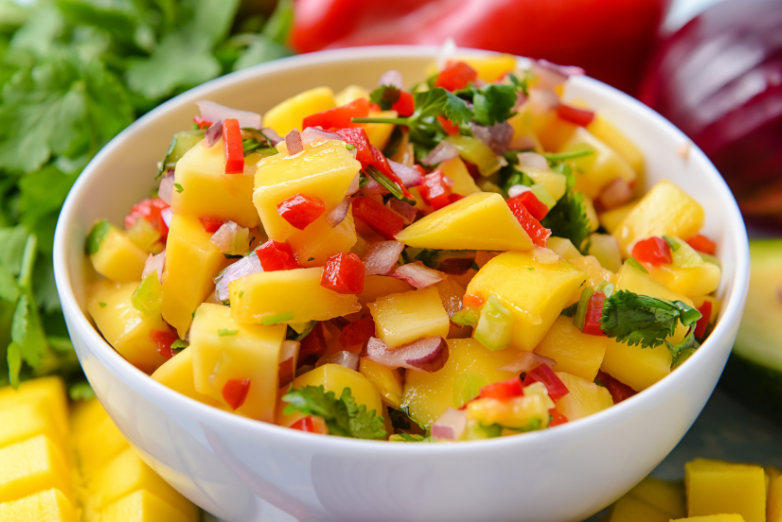
"Mangoes are a delicious snack alone, however combining them with salsa is a great way to incorporate more vegetables into your daily diet."
Ingredients
-
3 ripe mangos, diced
-
1 medium red bell pepper, chopped
-
½ cup chopped red onion
-
¼ cup packed fresh cilantro leaves, chopped
-
1 jalapeño, seeded and minced
-
1 large lime, juiced (about ¼ cup lime juice)
-
⅛ to ¼ teaspoon salt, to taste
Instructions
-
In a serving bowl, combine the prepared mango, bell pepper, onion, cilantro and jalapeño. Drizzle with lime juice.
-
Using a large spoon, stir the ingredients together. Season to taste with salt and stir again. For the best flavor, let the salsa rest for 10 minutes or longer.
Health Awareness Month
October - Liver Cancer Awareness Month
October is Liver Cancer Awareness Month
Protecting Your Liver for a Healthier Future
October is Liver Cancer Awareness Month, a time dedicated to raising awareness about liver health, understanding the risk factors for liver cancer, and encouraging early detection. The liver is one of the body's most important organs, performing hundreds of essential functions, including filtering toxins from the blood, storing nutrients, and aiding digestion. When the liver becomes damaged or diseased, these critical functions can be affected.
Liver cancer is one of the fastest-growing causes of cancer-related deaths in the United States. Many people do not realize they are at risk because liver disease often develops silently, with few or no symptoms in its early stages. Common risk factors include chronic hepatitis B or hepatitis C infection, cirrhosis, excessive alcohol use, fatty liver disease, obesity, and diabetes.
The good news is that many liver diseases can be prevented or managed through healthy lifestyle choices and regular medical care. Individuals can support liver health by maintaining a healthy weight, eating a nutritious diet rich in fruits and vegetables, limiting alcohol consumption, staying physically active, and speaking with their healthcare provider about hepatitis testing and vaccination. Early detection and treatment can significantly improve outcomes for those at risk of liver disease and liver cancer.
Liver Cancer Awareness Month is also an opportunity to encourage family members, friends, and community members to take charge of their health. By learning about liver disease, recognizing risk factors, and scheduling routine health screenings, we can help reduce the burden of liver cancer and improve overall community wellness.
This October, take a moment to think about your liver health. Small steps today can make a big difference tomorrow. Together, we can raise awareness, promote prevention, and support those affected by liver cancer while working toward healthier communities for all.
Quick Liver Health Tips
-
Eat a balanced diet rich in fruits, vegetables, and whole grains.
-
Stay physically active.
-
Maintain a healthy weight.
-
Limit alcohol consumption.
-
Get tested for hepatitis if you may be at risk.
-
Schedule regular checkups with your healthcare provider.
-
Learn about your family's health history and discuss concerns with your doctor.
Healthy Communities Start with Healthy Livers! October is the perfect time to learn more, get screened if needed, and encourage others to do the same.
September - Healthy Aging Month
September is Healthy Aging Month
Embracing Wellness at Every Age
September is Healthy Aging Month, an annual national observance dedicated to adults ages 45 and older. This month serves as a reminder that growing older is an opportunity to thrive, stay active, and continue enjoying a fulfilling and meaningful life. Healthy Aging Month encourages positive lifestyle changes that support physical, mental, social, and financial well-being, helping individuals maintain their independence and vitality for years to come.
As life expectancy continues to increase, it becomes even more important to focus on habits that promote health and wellness. While aging is a natural part of life, many age-related health challenges can be reduced or delayed through healthy choices and preventive care.
Prioritize Physical Health
Regular physical activity is one of the most effective ways to support healthy aging. Exercise helps improve balance, strength, flexibility, heart health, and overall mobility. Activities such as walking, gardening, swimming, dancing, and stretching can help older adults stay active while reducing the risk of chronic diseases.
Nutrition also plays a vital role in healthy aging. A balanced diet rich in fruits, vegetables, whole grains, lean proteins, and healthy fats provides essential nutrients that support strong bones, healthy muscles, and a well-functioning immune system. Staying hydrated and limiting excess sugar, sodium, and processed foods can further improve overall health.
Support Mental and Emotional Well-Being
Healthy aging involves more than physical health. Keeping the mind active can help improve memory, concentration, and cognitive function. Reading, learning new skills, solving puzzles, attending educational programs, or engaging in creative hobbies can stimulate the brain and promote lifelong learning.
Mental health is equally important. Managing stress, getting adequate sleep, and seeking support when needed can contribute to emotional resilience and a positive outlook on life. Practicing gratitude, mindfulness, and relaxation techniques can help reduce anxiety and improve overall well-being.
Stay Socially Connected
Strong social connections are linked to better health outcomes and a higher quality of life. Spending time with family and friends, participating in community activities, volunteering, or joining clubs and support groups can help combat loneliness and foster a sense of belonging.
For many older adults, meaningful social interactions provide emotional support and opportunities to remain engaged in their communities. Building and maintaining relationships can be just as important as maintaining physical health.
Plan for Financial Wellness
Financial health is another important aspect of successful aging. Creating a budget, building savings, reducing debt, and planning for future expenses can help reduce financial stress and provide greater peace of mind. Seeking guidance from trusted financial professionals can help individuals make informed decisions about retirement, healthcare costs, and long-term financial goals.
Small Changes Make a Big Difference
Healthy Aging Month reminds us that it is never too early or too late to adopt healthier habits. Even small changes, such as taking a daily walk, eating more vegetables, connecting with loved ones, or setting personal goals, can have a lasting impact on overall health and well-being.
Aging is not simply about adding years to life; it is about adding life to those years. By focusing on physical activity, nutritious eating, mental wellness, social engagement, and financial preparedness, individuals can continue to lead active, independent, and fulfilling lives at every stage of adulthood.
This September, take time to celebrate Healthy Aging Month by investing in the habits that support a healthier and happier future. Every positive step taken today contributes to a stronger, healthier tomorrow.
August - National Eye Exam Month
August is National Eye Exam Month
Protecting Your Vision and Overall, Health
August is recognized as National Eye Exam Month, a reminder of the importance of scheduling routine comprehensive eye exams. As many families prepare for the start of a new school year, it is the perfect time to focus on eye health for both children and adults. Regular eye exams do much more than update prescriptions—they help detect serious eye diseases and can even reveal underlying health conditions before symptoms appear.
According to the American Academy of Ophthalmology, adults with no symptoms should receive a comprehensive baseline eye exam by age 40 and continue follow-up exams based on their age, health history, and risk factors. Because vision and eye health needs vary from person to person, many local eye care providers offer special promotions and expanded appointment availability during National Eye Exam Month to encourage preventive care.
Five Reasons Annual Eye Exams Matter
1. Keep Your Prescription Up to Date
Whether you wear glasses, contact lenses, or have never needed vision correction, annual eye exams help ensure your eyes are functioning at their best. An eye exam can determine whether your prescription needs updating and provide an opportunity to explore lens options that enhance comfort and protect your vision. For those who wear glasses, options such as anti-reflective coatings can reduce glare, while photochromic lenses adapt to different lighting conditions. Progressive lenses offer seamless transitions between viewing distances without visible lines. Even individuals without a prescription may benefit from non-prescription lenses with blue-light filtering technology to help reduce digital eye strain or safety eyewear for additional protection during work and recreational activities.
2. Detect Vision Problems Early
Many eye diseases develop slowly and without noticeable symptoms. Unfortunately, by the time vision changes become apparent, permanent damage may already have occurred.
Routine eye exams can help identify serious conditions early, including:
Cataracts, which cause clouding of the eye’s natural lens and blurred vision.
Diabetic Retinopathy, a diabetes-related condition that damages blood vessels in the retina.
Glaucoma, often called the “silent thief of sight” because it can damage the optic nerve without warning signs. Age-Related Macular Degeneration (AMD), a leading cause of vision loss among adults over age 50.
Early detection and treatment can significantly reduce the risk of severe vision impairment or blindness.
3. Support Success in School, Work, and Daily Life
Clear vision is essential for learning, productivity, and confidence. Children rely on healthy eyesight to read, participate in classroom activities, and complete assignments successfully. Adults depend on good vision for work performance, driving, reading, and managing daily tasks.
Uncorrected vision problems can contribute to headaches, fatigue, difficulty concentrating, and poor academic or work performance. Having the correct prescription and appropriate eyewear can improve comfort, confidence, and quality of life for people of all ages.
4. Explore New Eyewear Options
An annual eye exam is an excellent opportunity to explore eyewear options that fit your lifestyle. If you wear contact lenses, you may want to discuss daily, weekly, or monthly replacement options with your eye care provider. If you wear glasses, updated frame styles and new lens technologies can provide both fashion and functionality. Innovations in eyewear continue to evolve. Smart glasses, such as those that integrate audio, communication, and hands-free technology, are becoming increasingly popular. Additionally, some advanced eyewear options now combine vision correction with hearing support, offering convenient solutions for individuals with mild to moderate hearing loss.
5. Promote Overall Health and Preventive Care
A comprehensive eye exam can provide valuable insights into your overall health. Because blood vessels, nerves, and tissues in the eyes can reveal early signs of disease, eye care professionals may detect indicators of conditions such as:
Identifying these issues early through routine eye exams can lead to timely medical intervention and improved health outcomes.
Schedule Your Annual Eye Exam
National Eye Exam Month serves as an important reminder that vision care is a vital part of overall wellness. Regular eye exams help protect your eyesight, improve your quality of life, and provide valuable information about your general health.
Whether you are preparing your child for the upcoming school year, updating your own prescription, or simply prioritizing preventive healthcare, now is the perfect time to schedule an eye exam. Taking this simple step today can help preserve healthy vision for years to come.
Your eyes are your window to the world—make their health a priority this August and beyond.
July - UV Safety Awareness Month
Living in Florida means enjoying beautiful sunshine year-round, but it also means being mindful of the risks that come with prolonged sun exposure. While many Americans are becoming more aware of sun safety, misconceptions about ultraviolet (UV) radiation still exist. Practicing proper UV protection is essential—not only for preventing skin cancer but also for protecting your eyes and maintaining healthy skin.
UV rays are one of the leading causes of skin cancer. Excessive exposure can also damage the skin, causing premature aging, changes in skin texture, and sunburn. Although avoiding the sun completely is unrealistic, especially in sunny states like Florida, taking a few simple precautions can significantly reduce your risk.
One common mistake is assuming protection is only necessary on bright, sunny days. In reality, UV rays can penetrate clouds, meaning your skin and eyes remain vulnerable even when the weather appears overcast. That's why sun protection should be part of your daily routine regardless of the forecast.
Children are particularly sensitive to sun damage. Many parents remember to apply sunscreen but often overlook eye protection. UV-protective sunglasses are just as important for children as they are for adults. Protecting young eyes from harmful UV rays can help prevent long-term damage and promote lifelong eye health.
It's also important to know that certain medications and individual physical characteristics can increase sun sensitivity. Some prescription medications, over-the-counter drugs, and even skincare products can make the skin more susceptible to UV damage. If you are unsure whether a medication increases your sensitivity to sunlight, consult your healthcare provider or pharmacist.
Quick UV Safety Tips to Help Prevent Skin Cancer
Use Sunscreen Daily
Apply a broad-spectrum sunscreen with a Sun Protection Factor (SPF) of 30 or higher every day, even when it is cloudy. Don't forget your lips, use a lip balm or lipstick that also contains SPF 30 or higher. Remember, sunscreen helps reduce UV exposure, but it does not provide complete protection on its own.
Wear Protective Clothing and Eyewear
Long-sleeved shirts, pants, wide-brimmed hats, and UV-blocking sunglasses provide an additional layer of defense against harmful rays. Choose sunglasses labeled as blocking 99% to 100% of both UVA and UVB rays.
Limit Sun Exposure During Peak Hours
The sun's rays are strongest between 10 a.m. and 4 p.m. Whenever possible, plan outdoor activities before or after these peak hours to reduce UV exposure.
Seek Shade
Take advantage of shaded areas when outdoors or create your own shade using an umbrella when walking, sitting, or attending outdoor events.
Avoid Tanning Beds
Tanning beds expose the skin to concentrated UV radiation and significantly increase the risk of developing skin cancer. There is no safe way to tan using UV light.
Be Aware of Reflective Surfaces
Sand, water, pavement, and even snow can reflect UV rays and intensify exposure. Use extra caution and maintain your sun protection routine when spending time around these surfaces.
Make Sun Safety a Daily Habit
Sun protection is a simple but powerful way to safeguard your health. By wearing sunscreen, protective clothing, hats, and UV-blocking sunglasses, you can enjoy the outdoors while reducing your risk of skin cancer and eye damage. Whether it's sunny or cloudy, make UV safety a daily habit for yourself and your family.
Article references sources:
VA news.gov
Moffitt.org
AAO.org (American Academy of Ophthalmology)
June - Men’s Health Month
June is recognized as Men’s Health Month, a time dedicated to raising awareness about preventable health issues and encouraging early detection and treatment of diseases affecting men.
Throughout the month, the focus is on promoting healthy lifestyle choices—such as regular exercise, balanced nutrition, and mental wellness—to improve overall health and longevity. Men face different health challenges as they age, but at every stage of life, taking control of personal health is essential.
Maintaining a healthy lifestyle requires a commitment to:
-
Eating nutritious foods
-
Scheduling routine health screening
-
Managing stress effectively
-
Staying physically active
-
Establishing a strong relationship with a primary care provider or men’s health specialist is an important first step toward prioritizing preventive care.
Key Focus Areas for Men’s Health
Screenings
Regular check-ups for blood pressure and cholesterol
Cancer screenings (including colorectal screenings starting at age 45)
Mental Health
Recognizing signs such as irritability, withdrawal, and ongoing stress
Encouraging open conversations and support
Healthy Lifestyle
Consistent physical activity
Balanced diet
Smoking cessation
Research sources sited:
loyolamedicine.org
Men’s health month.org
heart.org
"It takes more courage to reveal insecurities than to hide them, more strength to relate to people than to dominate them." — Alex Karras
Nyota King-Sanyang
Program Assistant / EFNEP Specialist
Florida A&M University
May - Mental Health Awareness Month
Mental Health Awareness Month: Cultivating Wellness Through Connection and Care
Mental Health Awareness Month is an ideal time to prioritize self-care, reconnect with nature, and strengthen social connections that support overall well-being. Mental health is an essential part of our daily lives, influencing how we manage stress, relate to others, and care for ourselves and our families.
This month, FAMU Extension – West Palm Beach proudly participated in the Get Your Green On event in Delray Beach alongside Kaleidoscope Solutions & Co. This community-centered wellness experience was designed to uplift and empower participants by promoting mental health awareness, personal growth, and meaningful connection through nature, play, and nourishment. Events like this highlight how community engagement and outdoor experiences can positively impact mental and emotional well-being.
Supporting Mental Wellness Through Everyday Practices
Maintaining good mental health does not require drastic changes; consistent actions can make a significant difference. Key strategies for supporting mental wellness include staying physically active, maintaining a healthy routine, practicing mindfulness or gratitude, and setting healthy boundaries to prevent burnout.
Equally important is recognizing the signs of declining mental health. Persistent sadness, heightened anxiety, social withdrawal, and noticeable changes in sleep or appetite may indicate a need for additional support. Awareness allows individuals and families to take early, proactive steps toward care.
Key Tips for Maintaining Mental Health in May
Get Active and Connect with Nature
Engage in at least 30 minutes of physical activity each day—such as walking, running, or cycling—to boost mood and reduce stress. Spending time outdoors can further enhance these benefits by promoting relaxation and mental clarity.
Prioritize Social Connections
Strong relationships are vital to emotional health. Combat loneliness by reaching out to friends and family or participating in community activities. Volunteering is also a powerful way to stay socially engaged while improving personal well-being.
Practice Mindfulness and Creativity
Mindfulness practices like meditation, deep breathing, or journaling can help manage stress and improve focus. Creative outlets—such as painting, cooking, gardening, or music—offer additional ways to express emotions and relax.
Establish Structure and Healthy Boundaries
Create a balanced daily routine that includes adequate sleep, nutritious meals, and time for rest. Setting limits on work and social commitments can help prevent exhaustion and maintain emotional balance.
Seek Support When Needed
Mental health challenges are common and treatable. Do not hesitate to seek professional help through therapy, counseling, or community-based resources if you or someone you know needs support.
Reflect and Celebrate Progress
Use this month to reflect on your personal strengths, practice gratitude, and acknowledge steps you have taken toward better mental health—no matter how small.
Signs to Look Out For
Be mindful of warning signs such as persistent sadness or hopelessness, excessive worry or anxiety, social isolation, and drastic changes in eating or sleeping habits. Recognizing these signals early can lead to timely support and improved outcomes.
April - Stress Awareness Month
April is Stress Awareness Month

Article and image courtesy of American Heart Association
Stress Awareness Month: Understanding Stress and Learning Healthy Ways to Cope
Stress Awareness Month shines a spotlight on the dangers of chronic stress while promoting practical techniques to support both mental and physical well-being. The goal is not only to help individuals recognize stress and manage it effectively, but also to reduce the stigma that often surrounds it. By adopting healthy coping mechanisms—such as regular exercise, mindfulness, and proper sleep—we can lower the risk of burnout and long-term health problems.
Stress is something we all experience, yet it can affect each of us in very different ways. Because of these differences, there is no single definition of stress. Most commonly, stress is described as a physical, mental, or emotional strain or tension. It is often a reaction to situations in which a person feels anxious, overwhelmed, or threatened.
When stress becomes frequent or unmanageable, it can begin to interfere with daily life. Learning healthy ways to cope, along with receiving appropriate care and support, can help reduce stressful feelings and prevent symptoms from escalating. Recognizing the warning signs of stress is an important first step toward protecting overall health.
Common Reactions to Stress
Stress can show up in a variety of emotional, cognitive, and physical ways. Common reactions to stressful situations may include:
-
Disbelief, shock, or emotional numbness
-
Feelings of sadness, frustration, or helplessness
-
Difficulty concentrating or making decisions
-
Physical symptoms such as headaches, back pain, or stomach problems
-
Increased smoking or the use of alcohol or drugs as coping methods
Left unaddressed, these reactions can contribute to ongoing health issues and reduced quality of life. This is why early awareness and proactive stress management are essential.
Actionable Stress Management Tips
Managing stress does not require drastic changes overnight. Small, consistent steps can make a meaningful difference over time. Consider the following strategies:
Practice Self-Care
Make time each day for activities that promote relaxation, such as deep breathing, meditation, yoga, or simply spending time in nature.
Set Healthy Boundaries
Limit exposure to stressful news cycles and social media when it becomes overwhelming. Taking breaks can help reduce mental fatigue.
Connect With Others
Sharing concerns with trusted friends, family members, or mental health professionals can ease emotional burdens and provide valuable perspective.
Prioritize Physical Health
A balanced diet, regular physical activity, and adequate sleep strengthen resilience and help the body better respond to stress.
Take It Little by Little
Focus on small, manageable changes rather than attempting major lifestyle overhauls. Gradual improvements are more sustainable and less overwhelming.
Moving Forward
Stress Awareness Month reminds us that stress is a normal part of life—but unmanaged stress does not have to be. By raising awareness, reducing stigma, and encouraging healthy coping strategies, we can protect our well-being and support one another. With intention, support, and consistent self-care, it is possible to build healthier responses to stress and improve overall quality of life.
March - Kidney Health Month
March is Kidney Health Awareness month

Why is Kidney Health so important
Kidney health is crucial because kidneys act as your body's filter, removing waste, toxins, and excess fluid, while also regulating blood pressure, balancing electrolytes, making red blood cells, and keeping bones healthy. When kidneys fail, waste builds up, leading to serious health issues like chronic kidney disease (CKD) and heart disease, highlighting the importance of maintaining these vital organs for overall well-being.
Key Functions of Healthy Kidneys
-
Waste & Toxin Removal: They filter blood, removing waste, toxins, and extra fluid.
-
Blood Pressure Control: Kidneys produce hormones that help regulate blood pressure.
-
Red Blood Cell Production: They signal bones to make red blood cells.
-
Electrolyte Balance: They maintain the right levels of minerals like salt and water in the body.
-
Bone Health: They help regulate calcium and vitamin D for strong bones.
Racial Disparities in Kidney Health
Kidney disease disproportionately affects African Americans, who are three times more likely to develop kidney failure, largely due to higher rates of risk factors like diabetes and hypertension, coupled with socioeconomic barriers (housing, food, healthcare access) and a specific genetic variant, APOL1, which increases risk, leading to later diagnosis and poorer transplant outcomes despite potential genetic survival advantages on dialysis.
Key Factors Driving Disparities
-
Higher Prevalence of Risk Factors: More prevalent rates of diabetes, high blood pressure (hypertension), and heart disease significantly increase kidney disease risk in Black communities.
-
Socioeconomic & Structural Barriers: Racial discrimination creates disparities in housing, education, employment, and access to healthy food, impacting overall health and ability to manage chronic conditions.
-
Healthcare Access & Diagnosis: Lack of insurance and delayed diagnosis mean Black Americans often enter care at later stages, making kidney disease harder to treat.
-
Genetic Factors: The APOL1 gene variant, linked to African ancestry, increases kidney disease risk, potentially protecting against certain infections but contributing to kidney scarring (FSGS) in some individuals.
-
Sorrel (Hibiscus sabdariffa) Potential Benefits for Kidney Function
-
Sorrel's effect on kidney function is a double-edged sword: its diuretic properties (due to compounds like vitamin C and A) can promote fluid balance and flushing, but its high oxalic acid content can increase the risk of calcium oxalate kidney stones, making it potentially harmful for those with a history of kidney issues, so it's best enjoyed in moderation as part of a balanced diet and consulted with a doctor if you have kidney concerns.
Research sources sited:
The Johns Hopkins Bloomberg School of Public Health
The National Kidney Foundation
Harvard Health
“Let food be thy medicine and medicine be thy food.” – Hippocrates.
The Florida A&M University Cooperative Extension Program is an equal employment/ educational opportunity access organization that provides research-based educational information and services only to eligible individuals and institutions regardless of race, color, national origin, religion, gender, age, disability, martial or veteran status.
February - American Heart Month
February is American Heart Month
Your heart is much more than just a love symbol; it's your lifeline. Keeping your ticker in top shape is crucial for overall well-being. A healthy heart means more energy, better circulation, and a lower risk of cardiovascular diseases that can cramp your style.
Vital for Overall Health
-
Circulatory System: The heart pumps blood through arteries, veins, and capillaries, which deliver oxygen and essential nutrients to every part of the body. It also helps remove waste products like carbon dioxide.
-
Organ Function: All your organs and tissues rely on a steady flow of oxygenated blood to function well. A problem with the heart can lead to issues in other organs, such as the brain, kidneys, and liver.
Prevention of Cardiovascular Diseases
-
Heart Disease: Conditions like coronary artery disease (CAD), heart attack, and heart failure are often linked to poor heart health. Lifestyle factors such as poor diet, lack of exercise, smoking, and high stress can increase the risk of these diseases.
-
Stroke: Poor heart health can also increase the risk of stroke, as blood clots can form and travel to the brain.
-
Hypertension (High Blood Pressure): This is a key factor in the development of heart disease, as it causes the heart to work harder, which can lead to weakening of the heart muscle or the development of plaque in the arteries.
Quality of Life
Maintaining a healthy heart contributes to a better quality of life. You’re more likely to enjoy physical activities, travel, spend time with loved ones, and engage in hobbies if your heart is functioning optimally.
-
Balanced Diet: Focus on whole foods, including fruits, vegetables, lean proteins, and healthy fats (e.g., omega-3 fatty acids).
-
Exercise: Regular physical activity strengthens the heart muscle, improves circulation, and helps maintain a healthy weight.
-
Avoid Smoking: Smoking is a major risk factor for heart disease as it damages blood vessels and increases the risk of plaque buildup.
-
Regular Check-ups: Monitoring blood pressure, cholesterol, and blood sugar levels can help identify potential problems early on and allow for prompt action.
-
Manage Stress: Chronic stress can contribute to heart disease, so practicing stress management techniques like meditation, yoga, or deep breathing is important.
Research Sited:
Heart.org
Boone Health.com
“The groundwork for all happiness is good health.” – Leigh Hunt.
Students Volunteer to Help Out at Community Gardens
We welcome middle school, high school, and college groups to participate in one-time volunteer experiences in our garden. To schedule a volunteer visit, please email VOLUNTEER at taviagordon@famu.edu and include the following details about your group:
• Estimated number of participants
• Age range
• Preferred dates and times, or general availability
• Any required accommodations
Local students recently spent the day helping out at the City of West Palm Beach's Community Gardens in the Historic Northwest. Watch the videos below to learn more.
The Beauty of Our Community Gardens
Juneteenth
Rooted in Freedom: Growing Community at Pleasant City Community Garden
In honor of Juneteenth, we celebrate the Pleasant City Neighborhood Community Garden, a flourishing symbol of resilience, culture, and community empowerment in one of West Palm Beach's first historically rich Black neighborhoods.
Juneteenth, recognized as a national holiday, commemorates the emancipation of enslaved African Americans in the United States. It serves not only as a day of remembrance but also as a call to action for continued growth, justice, and community building. We honor the freedom, strength, and perseverance of Black communities past and present. The Pleasant City Neighborhood Community Garden embodies those values, reminding us that liberation also looks like food sovereignty, environmental justice, and community-rooted wellness. In Pleasant City, that spirit is alive in the soil.
Pleasant City, founded in 1905, as a thriving Black neighborhood, has long been a testament to self-sufficiency and cultural pride. Today, the Pleasant City Neighborhood Community Garden continues that legacy by serving as a living classroom for youth and creating space for residents to connect with the land, grow nutritious food, and share traditions across generations.
The garden began as a local initiative to combat food insecurity and provide a safe, green space for residents of all ages. With the support of the FAMU Cooperative Extension and the City of West Palm Beach, what started as a modest effort has blossomed into a vibrant urban oasis. Here, green beans, sweet potato, pigeon peas, and many other herbs and vegetables flourish, many of which hold cultural significance within African American and Afro-Caribbean communities.
More than just a garden, it's a gathering place. Youth volunteers learn to till soil and sow seeds, elders share ancestral wisdom, and neighbors come together to cultivate more than crops: they grow unity. "This garden reminds me of my grandmother's backyard," one volunteer shared. "It brings back memories.”
As we honor Juneteenth, the Pleasant City Neighborhood Community Garden stands as a living legacy of freedom. It reminds us that the journey to equity continues, and that growth, whether in our communities or in our gardens, requires care, intention, and collaboration.
The future of the garden is bright. With continued support and engagement, this green space will remain a cornerstone for Pleasant City, planting seeds of hope for generations to come.
To learn more or get involved, follow our social media page and join us in celebrating a community deeply rooted in strength, history, and green living.
For more information contact: tavia.gordon@famu.edu
Facebook page: FAMU Extension - West Palm Beach | Tallahassee FL | Facebook

Garden sign, built and donated by Mr. Brian (a garden volunteer), showcases the streets of the Pleasant City neighborhood.

South end view of the Pleasant City Community Garden.
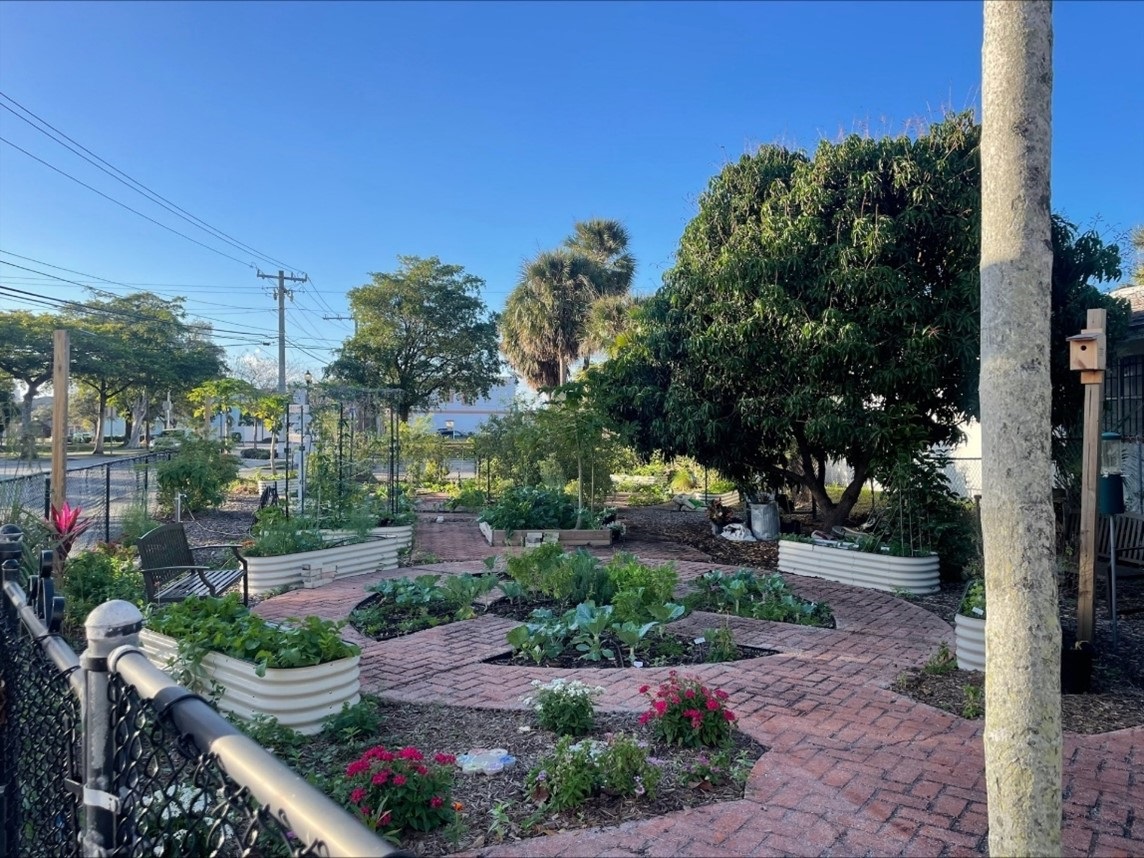
Northend view of the Pleasant City Community Garden.
Past Events
Pleasant City Grill in the Garden
Young and adult gardeners turned out Tuesday, June 24, 2025, for the Pleasant City Community Garden Grill in the Garden neighborhood gathering. Just shy of two years since this Community Garden was planted, residents, neighbors and friends gathered to see the fruits of their labor, enjoy a meal and learn about the growth of the Florida A & M University (FAMU) and City of West Palm Beach Department of Housing and Community Development partnership.
Community Garden Day
FAMU Extension and the City of West Palm Beach would like to extend a heartfelt thank you to all the incredible volunteers who dedicated their time and energy to making our Community Garden Day a success. Your hard work, enthusiasm, and commitment to creating a vibrant, sustainable garden space are truly appreciated.
"Together, we have not only grown a garden but also strengthened our community. Your contributions are invaluable, and we look forward to continuing this wonderful partnership in future projects!"

Pleasant City Community Garden Open
The City of West Palm Beach and Florida A & M University opened the new Pleasant City Community Garden on Wednesday, July 26, 2023, at 2147 Spruce Avenue. Laid out in a specific pattern, the gardening stations have irrigation laid out just waiting for residents to begin growing vegetables.
Getting together to open the new Pleasant City Community Garden are, from left, Lucy Joseph, Kimberly Spence. City Commissioner Cathleen Ward, Jennifer Ferriol, Director Housing and Community Development, Tavia Gordon, FAMU Urban Ag Extension Agent, and Nyota King-Sanyang, FAMU EFNEP Extension Program Assistant.
(JPG, 542KB)
Coleman Park Community Garden Grill-in-the-Garden
Announcements
Local Contacts
Tavia Gordon
Urban Extension Agent
FAMU Cooperative Extension
Email: tavia.gordon@famu.edu
Phone: (561) 804-4979 (TTY: 800-955-8771)
Areas of focus include Community Programming in Urban Agriculture, Health and Wellness, Financial Literacy, Economic Development & Entrepreneurship
Nyota King-Sanyang
Extension Program Assistant
FAMU Cooperative Extension
Email: nyota.kingsanyang@famu.edu
Phone: (561) 822-1254
Areas of focus include Nutrition for Children, Adults & Seniors
Stay Connected to the FAMU Cooperative Extension Office
Website: FAMU Cooperative Extension
Social Media:
Call us: (850) 599-3546 - Tallahassee office
Email us: extension@famu.edu
Join our email list: Contact amelia.davis@famu.edu